
The Enchanting Artistry of Stained Glass Windows and Their Transformative Power

Stained glass windows have fascinated people for centuries. Their ability to capture light and color creates a unique atmosphere that changes with the time of day and weather. These windows are more than just decorative elements; they are works of art that tell stories, evoke emotions, and transform the spaces they inhabit. This post explores the beauty and magic of stained glass windows, highlighting their artistic value and how they bring color and life to interiors.

The Artistic Craft Behind Stained Glass Windows
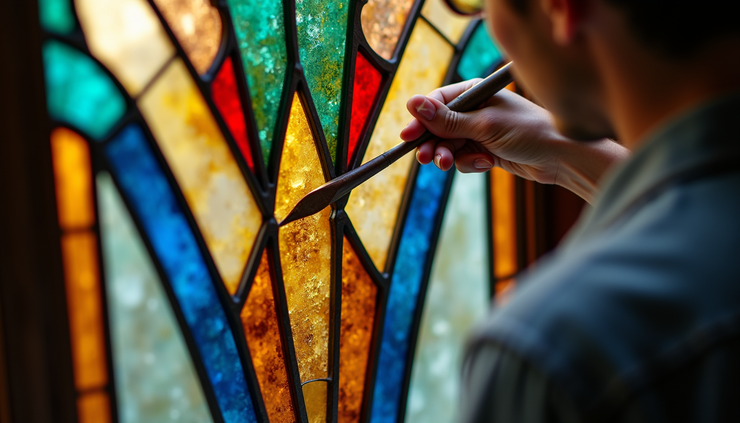
Creating stained glass windows requires skill, patience, and creativity. Artists start by designing a detailed pattern, often inspired by nature, history, or religious themes. Each piece of colored glass is carefully cut to fit the design, then joined with lead strips called cames. The glass pieces may be painted or treated to add shading and texture before being fired in a kiln to set the paint.
This process combines craftsmanship with artistic expression. The choice of colors, shapes, and textures influences how light passes through, creating dynamic effects that change throughout the day. The interplay of light and glass can highlight details or soften edges, making each window a living artwork.
How Stained Glass Windows Transform Spaces
Stained glass windows do more than decorate; they alter the atmosphere of a room. When sunlight filters through colored glass, it casts vibrant hues and patterns onto walls and floors. This natural light display can create a sense of warmth, calm, or even awe.
In religious buildings, stained glass windows often depict stories or symbols that inspire reflection and spirituality. In homes or public spaces, they add personality and charm, turning ordinary rooms into inviting environments. The windows can also provide privacy without blocking light, making them practical as well as beautiful.
Examples of Spaces Transformed by Stained Glass
Historic Cathedrals: Many cathedrals in Europe feature stained glass windows that narrate biblical stories. The windows guide visitors’ eyes upward, enhancing the sense of grandeur and reverence.
Modern Homes: Contemporary stained glass designs use abstract patterns and bold colors to complement minimalist interiors, adding a splash of color and artistic flair.
Public Buildings: Libraries, museums, and theaters sometimes incorporate stained glass to create focal points that celebrate culture and creativity.

The Symbolism and Storytelling in Stained Glass
Stained glass windows often carry deep symbolic meaning. In religious contexts, they illustrate stories from sacred texts, making complex narratives accessible to all, including those who could not read historically. Colors themselves hold significance: blue can represent heaven or truth, red can symbolize passion or sacrifice, and green often stands for growth or renewal.
Beyond religion, stained glass can tell personal or cultural stories. Artists may incorporate local motifs, family crests, or abstract designs that reflect identity and heritage. This storytelling aspect adds layers of meaning that invite viewers to explore and interpret.
Caring for and Preserving Stained Glass Windows
Because stained glass windows are delicate and exposed to the elements, they require proper care to maintain their beauty. Regular cleaning with gentle methods prevents dirt buildup without damaging the glass or lead. In historic buildings, preservation experts may restore windows by replacing broken pieces or reinforcing the structure.
Modern stained glass installations often use protective glazing to shield the artwork from weather and pollution. This helps preserve the colors and details for future generations to enjoy.
Bringing Stained Glass into Your Space
If you want to add stained glass to your home or workspace, consider these tips:
Choose a design that complements your style, whether traditional or modern.
Think about the window’s location and how sunlight will interact with the glass.
Work with a skilled artist or studio to create a custom piece that fits your vision.
Use stained glass panels as room dividers, cabinet inserts, or decorative accents beyond windows.
Stained glass can elevate any space by adding color, light, and artistry that changes with the day.


Comments